


Mapping Bedrock, Weathering Profiles and Engineering Ground Conditions
Seismic Refraction is a proven geophysical investigation method used to determine subsurface geological conditions by measuring the travel times of seismic waves through soil, weathered rock and competent bedrock.
The technique provides accurate information on bedrock depth, weathering profiles, rock quality, rippability, groundwater conditions and engineering properties, making it one of the most widely used geophysical methods for infrastructure and construction projects.
Seismic Refraction offers a rapid and cost-effective means of investigating subsurface conditions between boreholes and across large project areas.
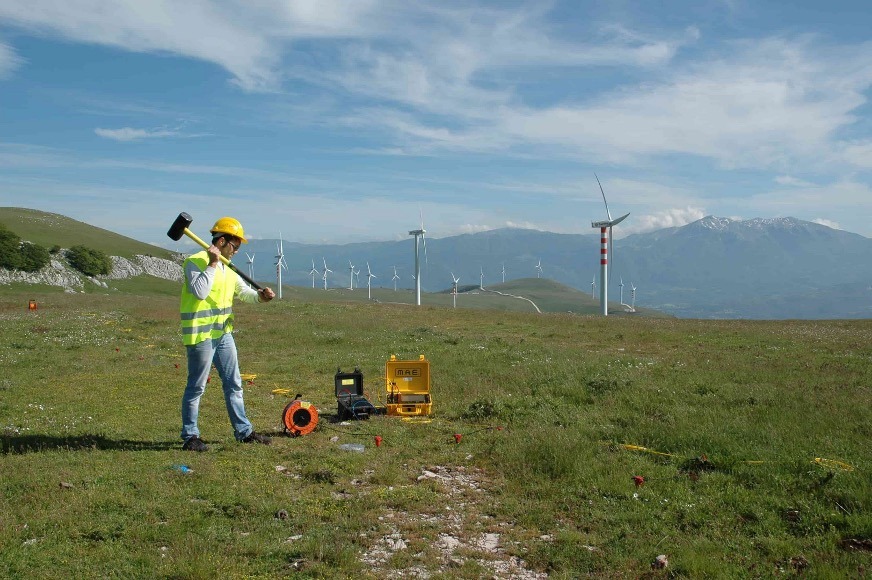
MASW Determines
- Bedrock Depth (profile of Bedrock) ,
- Weathering profiles/ Competent rock,
- Rippability Coefficient and Rock Quality
- Seismic site classification, and engineering properties required for major infrastructure projects.
Rock Mapping and Bedrock Characterisation
When Seismic Refraction (SR) is applied in combination with Multi channel analysis of surface waves (MASW) method, various site parameters necessary for engineering design can be obtained.
Seismic Refraction is extensively used to map:
- Soil-rock interfaces
- Weathered rock thickness
- Competent rock horizons
- Fracture zones / Fault zones
- Excavation conditions
- Rock rippability
This information is critical during planning and design phases of major infrastructure projects.
DELIVERABLES FOR ENGINEERING DESIGN
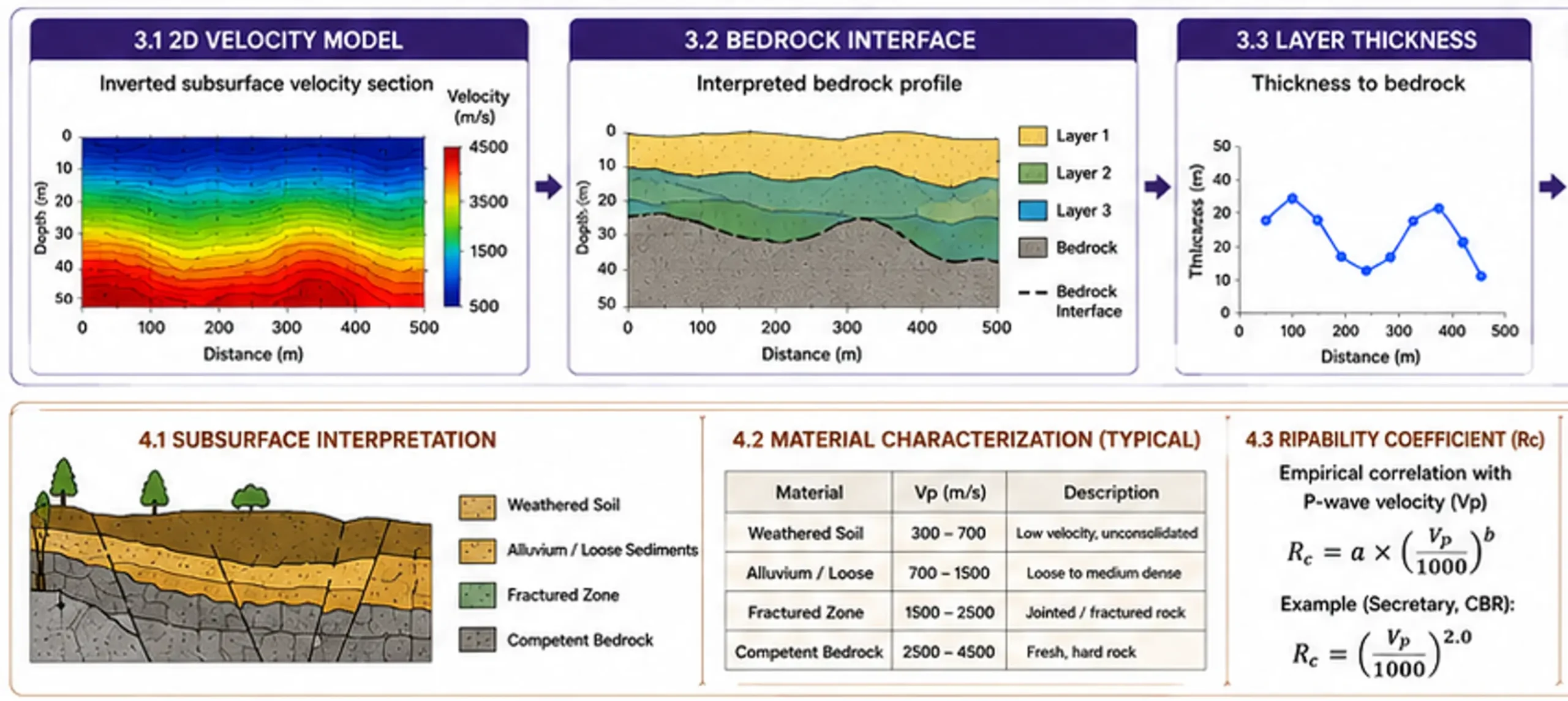
Deliverables
These deliverables provide engineers, planners, and project managers with the critical information required for safe and cost-effective infrastructure development.
Our Seismic Refraction investigations typically include:
- Velocity Modelling, Refraction Tomography
- Bedrock Mapping and Geological Interpretation
- Engineering Assessment Technical Report
These deliverables provide engineers, project managers, and geologists with the information required for safe, efficient and cost-effective project design and construction.
GROUND STIFFNESS, LAYER THICKNESS, BEDROCK ROCK MAPPING, SAPROLITE AND BEDROCK CHARACTERISATION
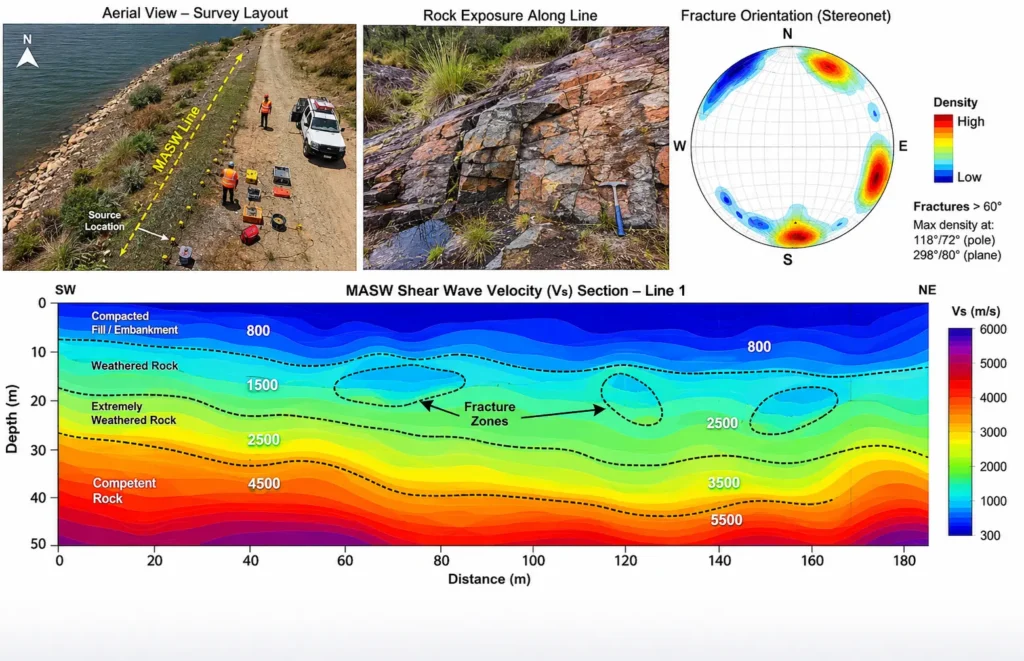
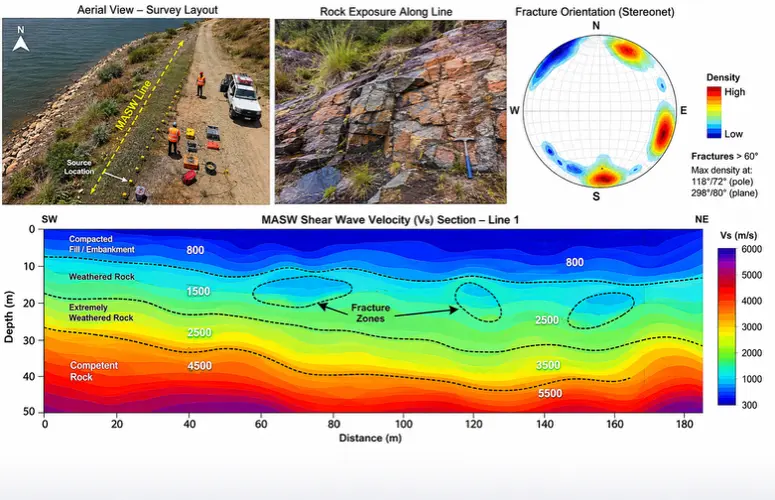
One of the primary applications of MASW is the mapping of weathered and competent rock formations.
Shear wave velocity increases significantly as ground conditions transition from unconsolidated soils to weathered rock and finally to competent bedrock. This allows MASW to accurately delineate:
- Soil-rock interfaces
- Weathered rock thickness
- Depth to competent foundation rock
- Fractured rock zones
- Variable rock quality zones
- Excavation and rippability conditions
- Potential foundation constraints
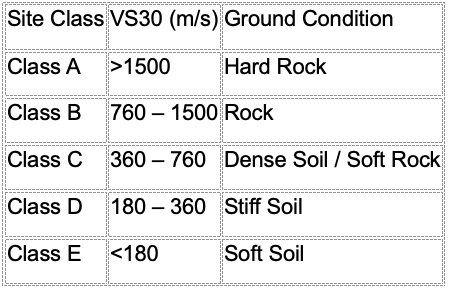
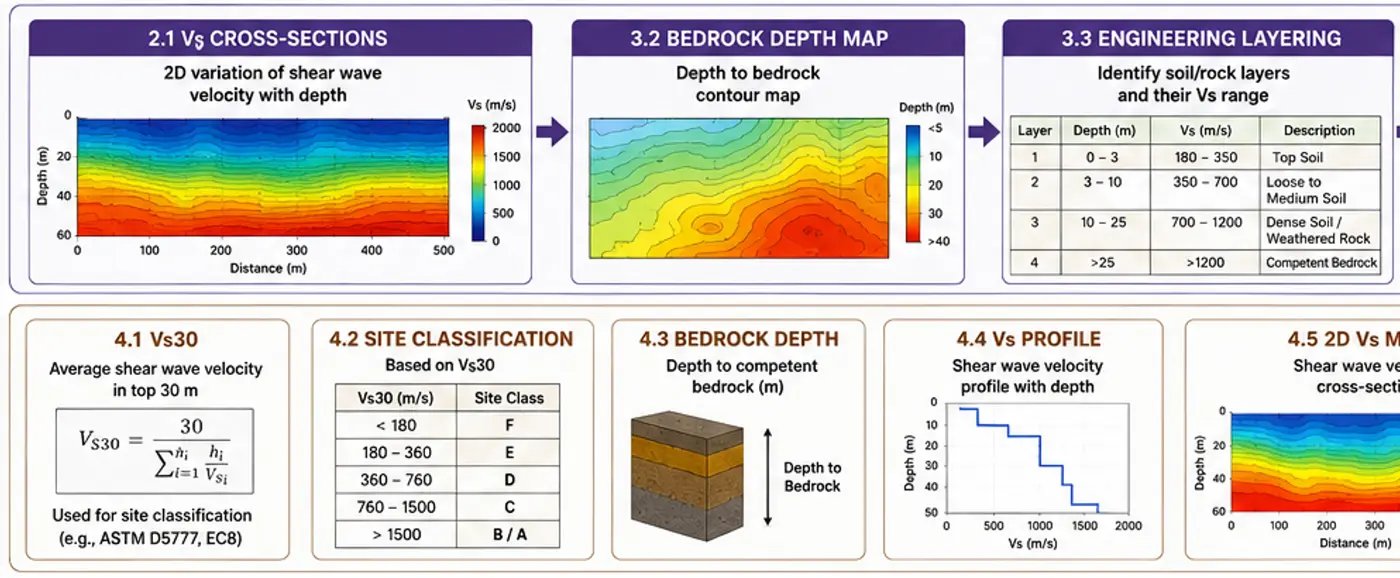
VS30 is the internationally recognised parameter used to classify seismic site conditions. VS30 represents the average shear wave velocity of the upper 30 metres of the subsurface and is widely used for:
- Earthquake engineering ,
- Infrastructure design,
- Building code compliance,
- Bridge design,
- Dam safety assessments,
- Solar Renewable energy projects,
- Wind power renewable energy projects and
- Critical infrastructure developments
WHY CHOOSE US?
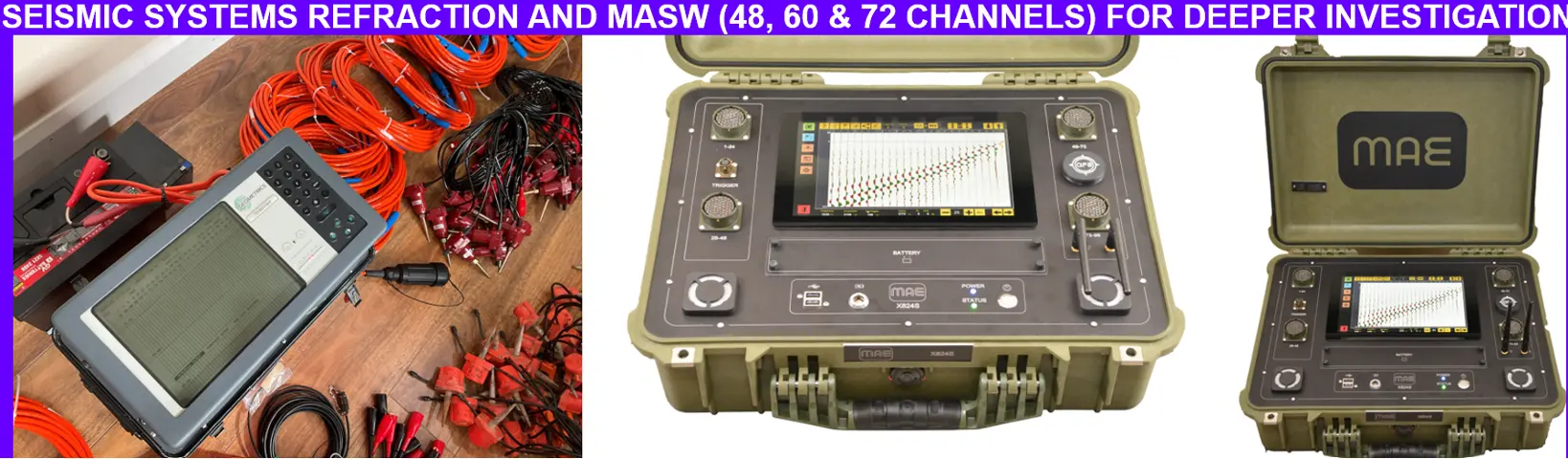
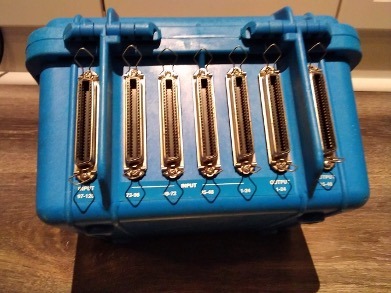
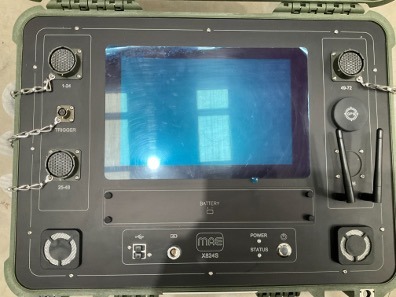
Most engineering seismic consultants use traditional 24 or 48 Channels that are limited not only severely limited on depth-of-investigation, daily production-rate because they are short arrays, but also limitations on resolution in the attempt to spread fewer channels to make-up for lateral spread / increase production. Depending on the job, we deploy 72 channels, 96 channels, 60 or 48 channels Streamer based systems and Wireless options that offer unrivalled depth of investigation, resolution but also triple production rate and coverage. Thus, ensuring projects are completed ON TIME AND ON BUDGET.
For ordinary shallow 24 channels jobs, Land Streamers and Seismic Roll-along Switch devices are used to rapidly acquire 48, 72 to 96 Channels in one spread using a 24 seismograph, significantly increasing production-rate, coverage, data quality and minimising costs/ time billed to the client.
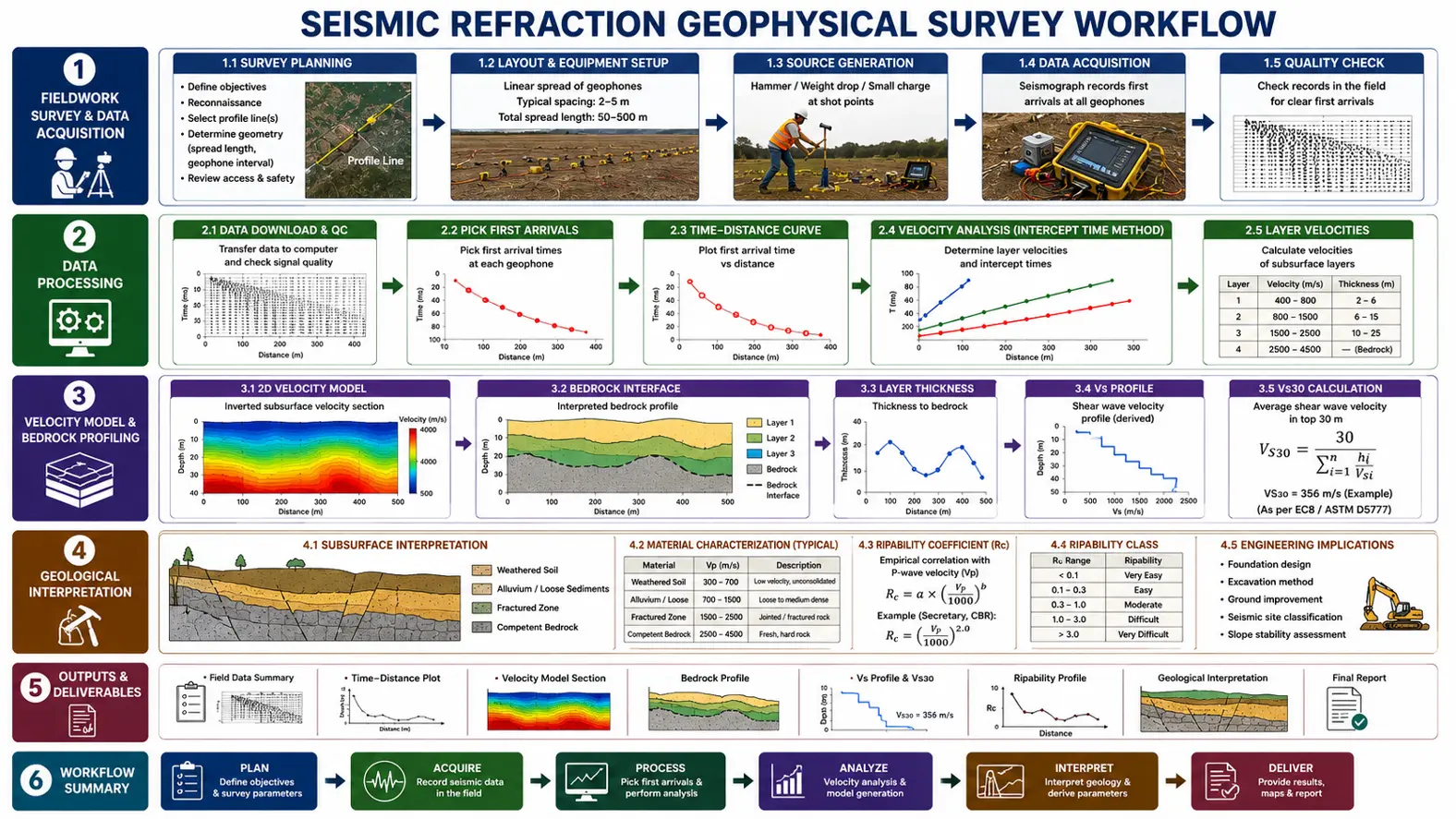
Our workflow, survey design, data processing method and approach is strategically designed to deliver results and data relevantly useable by engineers and designers.
DELIVERABLES FOR SITE CLASSIFICATION AND ENGINEERING DESIGN
Processed Deliverables
Clients typically receive:
- Raw seismic records
- Dispersion images
- Dispersion curves
- Inversion models
- 1D Vs profiles
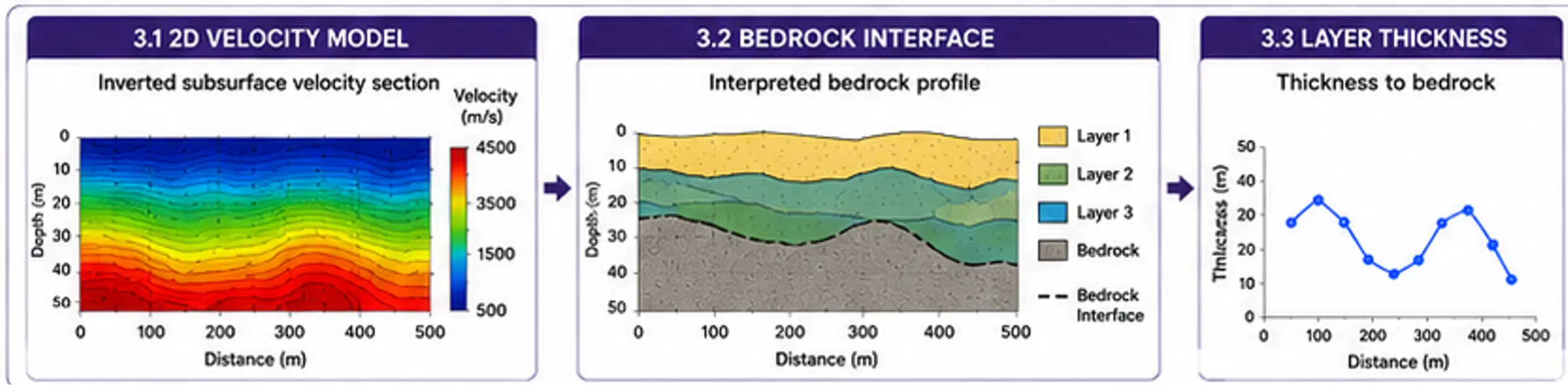
- 2D shear wave velocity sections
- Depth to bedrock maps
- VS30 calculations
- Geological interpretation
Example Results
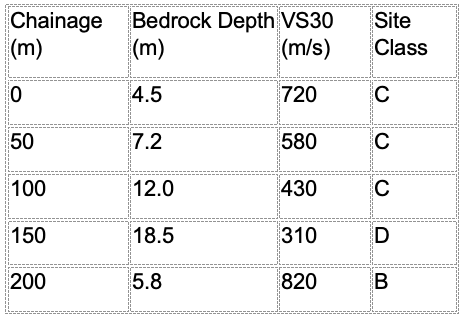
Such datasets enable engineers to identify variable ground conditions and optimise foundation design.
VS30 Classification Example
MASW provides a direct and cost-effective method for determining VS30 without extensive drilling or laboratory testing.
GROUND STIFFNESS AND VS30 SITE CLASSIFICATION
VS30 is the internationally recognised parameter used to classify seismic site conditions. VS30 represents the average shear wave velocity of the upper 30 metres of the subsurface and is widely used for:
- Earthquake engineering
- Infrastructure design
- Building code compliance
- Bridge design
- Dam safety assessments
- Renewable energy projects
- Critical infrastructure developments
APPLICATIONS OF SEISMIC REFRACTION TO INFRASTRUCTURE DEVELOPMENT PROJECTS
Roads and Highways
Seismic Refraction assists in:
- Pavement design
- Subgrade characterisation
- Embankment investigations
- Rock depth determination
- Ground improvement planning
Bridge Investigations
For bridge developments, Seismic Refraction provides:
- Depth to competent founding material
- Bedrock profiling
- Identification of weak zones
- Assessment of weathered rock
- Seismic design parameters
The method assists engineers in selecting suitable foundation depths and pile termination levels.
Renewable Energy Projects
Wind Farm Developments
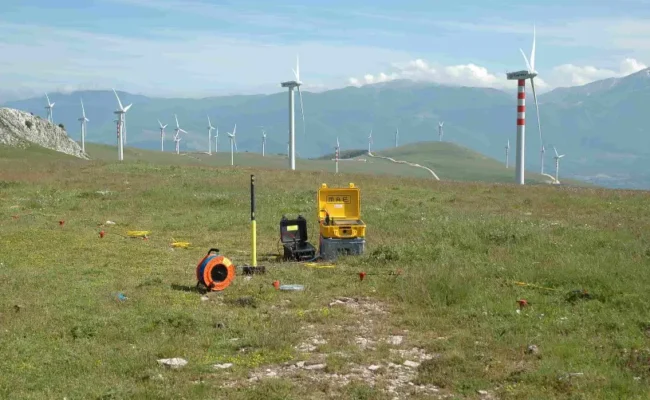
Wind turbine foundations require detailed understanding of subsurface stiffness and bedrock conditions.
Seismic Refraction provides:
- Depth to rock
- Weathering profiles
- Foundation design parameters
- Seismic site classification
- Turbine location optimisation
The method enables efficient investigation of large wind farm developments where numerous turbine locations require assessment.
Renewable Energy Projects
Solar Farm Project Site Investigations
Large-scale solar projects require accurate geotechnical information for:
- Panel support foundations
- Substation construction
- Access road design
- Battery energy storage facilities
MASW rapidly maps subsurface conditions across extensive project areas while reducing drilling requirements.

Applications for Infrastructure Development
Dam and Water Infrastructure Projects
Seismic Refraction provides:
- Dam foundation investigations
- Embankment assessments
- Spillway investigations
- Rock competency mapping
- Seepage risk studies
- Geological modelling
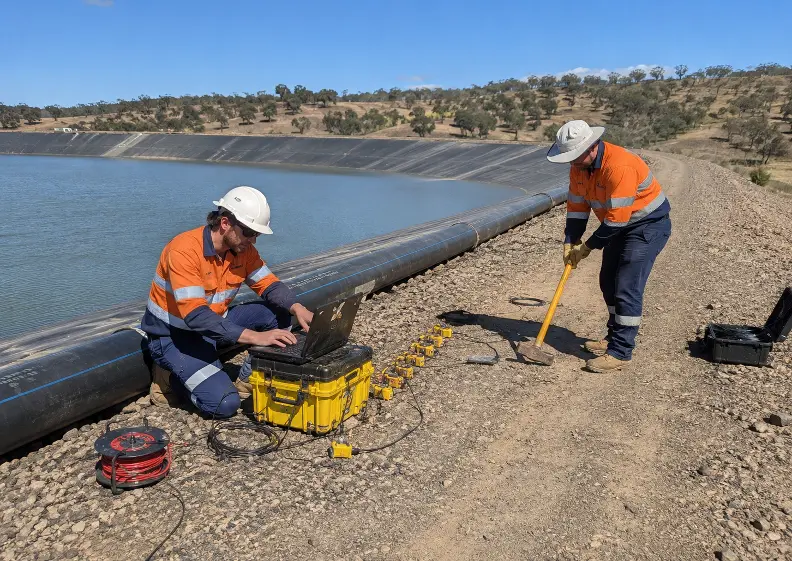
The technique helps identify weathered zones, fractured rock, and potential construction risks beneath proposed dam structures.
Integration with Other Site Investigation Methods
MASW is frequently integrated with other geophysical and geotechnical investigation techniques (enlisted below) to provides a comprehensive understanding of subsurface conditions and significantly reduces project risk and uncertaininties.
- Electrical Resistivity Tomography (ERT), Seismic Refraction, Ground Penetrating Radar (GPR), Electromagnetic Surveys (EM), Borehole Geophysics
- Standard Penetration Testing (SPT), Cone Penetration Testing (CPT), Geotechnical Drilling
The combination of these techniques